

Frequently asked questions
Straight answers about flying private.
How chartering with Peak works, what flying privately costs and saves, and the practical details, from safety vetting to bringing the dog.
Estimated flight time
–
Distance
–
Cabin that fits
–
Live estimates from vetted operators appear here. Pat or Preston confirms the final all-in price.
About Peak
Who runs Peak Aviation Solutions?
Peak was founded in 2023 by Pat Sinnott, a commercial pilot with multi-engine and instrument ratings and a Bachelor of Science in Flight Operations and Aviation Management. He has spent 21 years in aviation, including Sentient Jet, Private Jet Services Group, and Summit Aviation, where he helped grow a fleet from a single Phenom 100 to 21 aircraft with oversight of all Part 135 and Part 91 operations. Most people arranging charter have not flown or run the operations side of it. That background is the reason we tend to catch a problem with a trip before it reaches you rather than after.
Do you only arrange flights out of Bozeman?
No. We arrange charter nationwide and worldwide, with access to more than 5,000 airports across the United States, and most of the trips we fly have nothing to do with Montana. Bozeman is simply where we are based. Being headquartered in the Mountain West does mean we know the high elevation and short runway airports out here unusually well, but our clients are all over the country.
Does Peak Aviation Solutions own or operate the aircraft?
No. Peak Aviation Solutions is an air charter broker and is not a direct air carrier in operational control of aircraft. We contract with Part 135 direct air carriers, and we do not work with just anyone. We use reputable operators with highly experienced flight crews, held to FAA standards and the additional safety standards we set ourselves. The operator and the flight crew hold final authority on every safety decision, including the go or no go call.
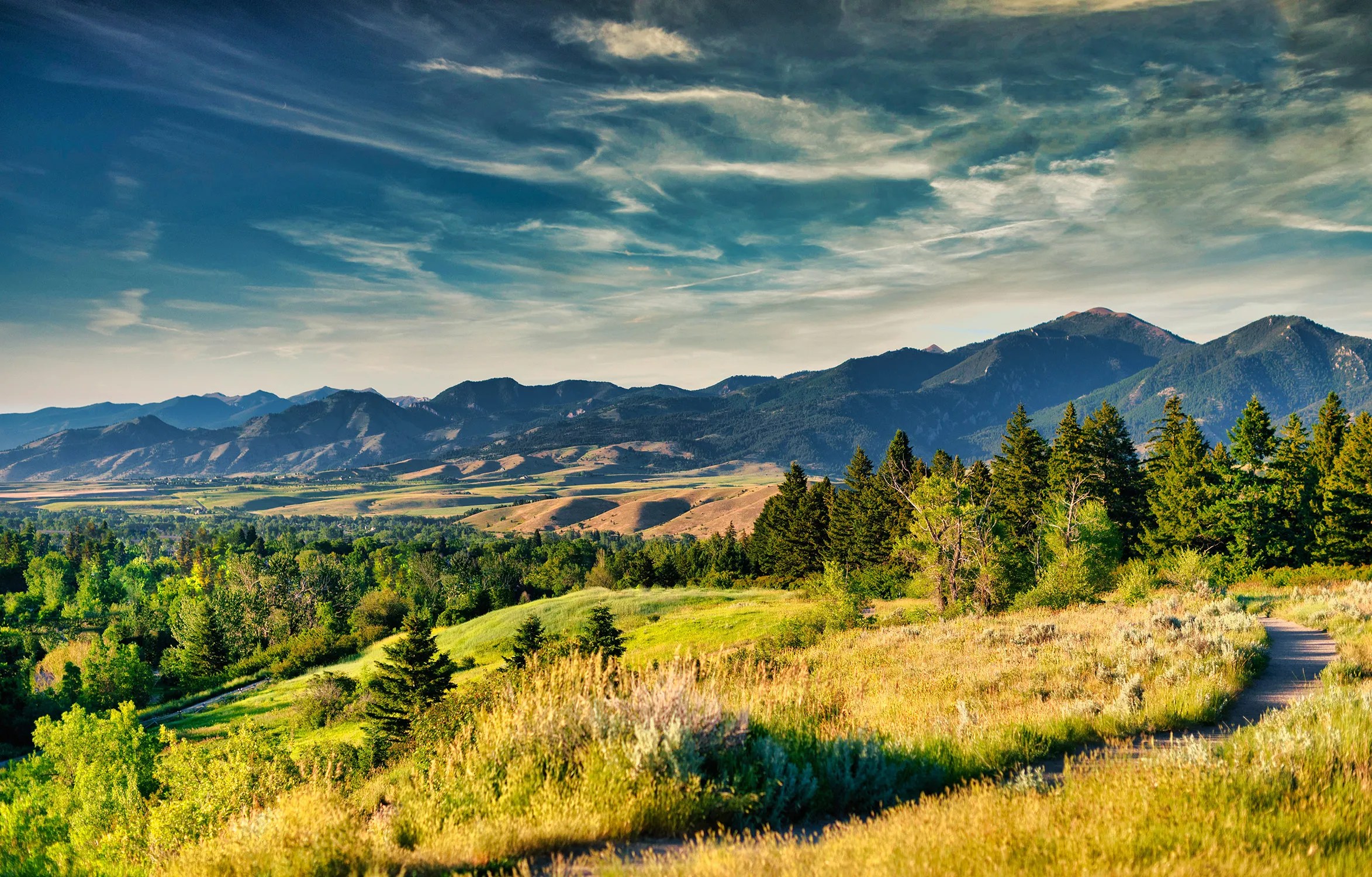
Headquartered in Bozeman, flying everywhere.
Peak is based in Bozeman, Montana, and arranges charter from every major field in the US and Canada. Mountain airports are home ground; the rest of the continent is a phone call.
Membership, pricing and booking
Do I need a membership or jet card to fly with Peak?
No, and that is deliberate. There is no membership, no jet card and no deposit program, so you are never putting a large deposit at risk or committing capital to an account. You pay for the trips you actually fly, one at a time, which leaves you completely flexible on aircraft, on routing and on how often you fly. Quotes are all-in, including repositioning, crew, fees and taxes, and you are billed on quoted flight time rather than actual. If you already hold a card and it is the better call for a particular trip, we will tell you that.
I already have a jet card, a fractional share or my own aircraft. Is there any reason to call you?
Yes. A good number of our clients hold a card, a share, or an aircraft outright, and they use Peak as supplemental lift when their provider has nothing available, when their own aircraft is down or out of position, or when a trip calls for something different from what they own. Cards and fractional programs also price well on some routes and poorly on others, particularly longer legs and one-way trips. Send us the trip and we will price it. If your own program is the better deal that week, we will say so.
How quickly can Peak arrange a private flight?
Most trips are booked with some notice, but we are built for last-minute changes. When plans shift, we move fast to source the right aircraft and lock the details, so the aircraft is ready when you are.
What is included in the price, and what is not?
The quote is all-in. Repositioning, crew, landing and handling fees, taxes: all of it sits in the number you see. Billing is on quoted flight time rather than actual, so a headwind does not change your invoice. De-icing is the one item charged at cost after the flight, because nobody can predict it. We are also happy to arrange catering or ground transportation. Weight limits and fuel stops are stated in the proposal, not discovered on the day.
Do you have empty leg flights, and how do I hear about them?
Yes, and the alert list is free to join at flypeak.com/emptylegs. An empty leg is a repositioning flight the aircraft has to make anyway, which is why the pricing sits well below standard charter rates. We send alerts three times a week, drawn from hundreds of options a day, tuned to the routes you actually fly and covering airports within roughly 250 miles of your chosen origin and destination. If one is close but not quite right, we will re-quote it from your preferred airport so you can compare the two.
How do you decide which aircraft to recommend?
We start with your prerequisites. Nonstop, passenger count, a preferred cabin or aircraft type, baggage room for skis or golf clubs, a departure window: every option we source is built around what you have told us matters. Because each trip is quoted on its own, we are free to find the most effective solution for that specific trip rather than fitting you into a program decided in advance.
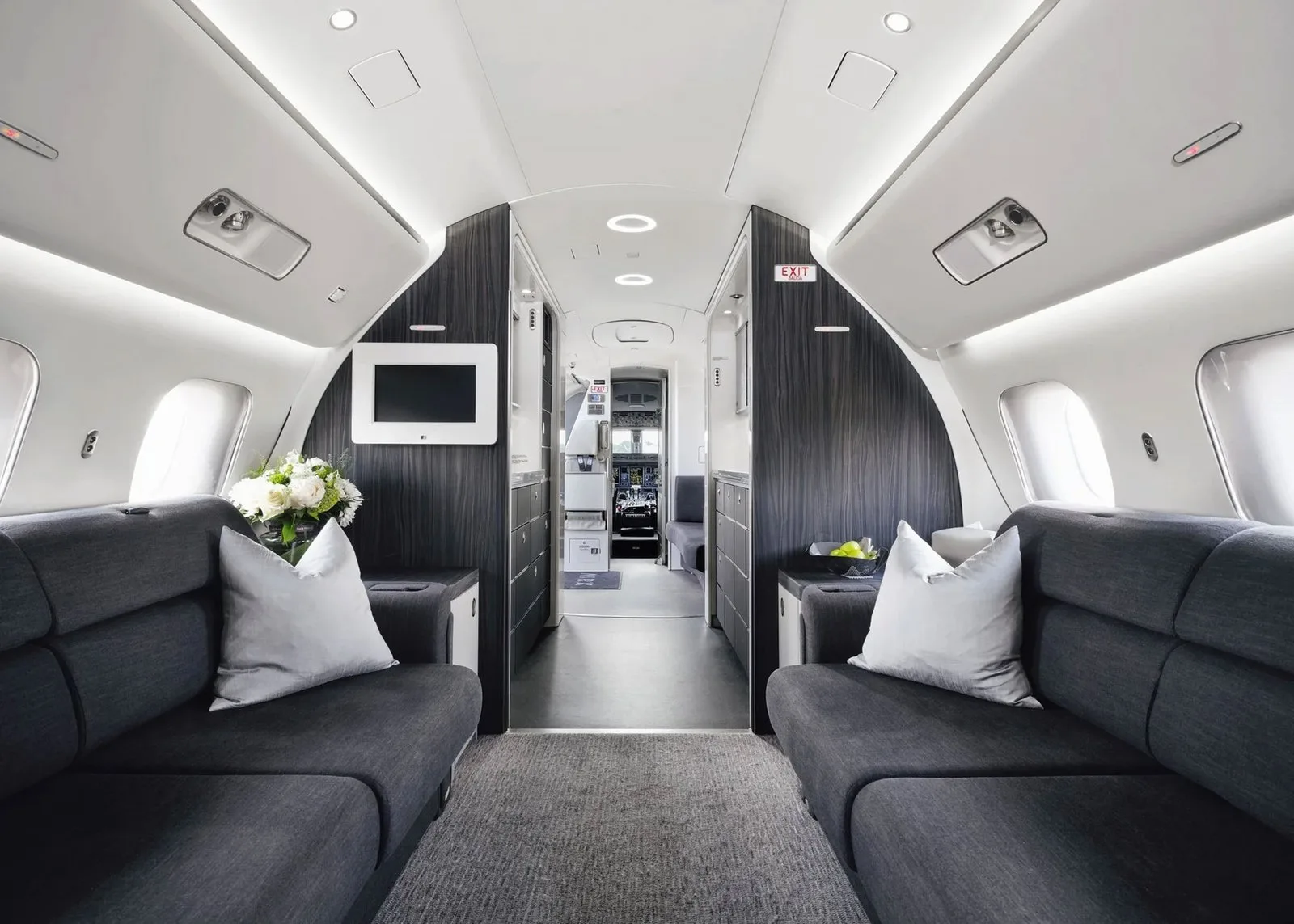
One number,
no membership.
The quote covers the aircraft, crew, repositioning, fees and taxes. You pay for the trips you fly, one at a time, and the number you see is the number you pay.
Safety
How are the operators and aircraft vetted?
Operators and crews must be ARGUS or Wyvern verified, at a minimum of ARGUS Gold or Wyvern Registered, and we pull a fresh ARGUS TripCHEQ or Wyvern PASS report on every single trip. We also obtain the operator’s Air Carrier Certificate and the D085 operations specification to confirm that the exact aircraft is legally on a Part 135 certificate.
Does Peak ever fly single pilot?
No. Every Peak trip is flown with two pilots, a pilot in command and a second in command. That includes aircraft certified for single pilot operation and commonly flown that way in the charter market. It is one of the rules we never waive.
What are the health and safety benefits of private flights?
Private travel limits exposure to crowds and high-touch terminals, aircraft are cleaned to your protocols, and direct routing means faster access to care in a medical situation.
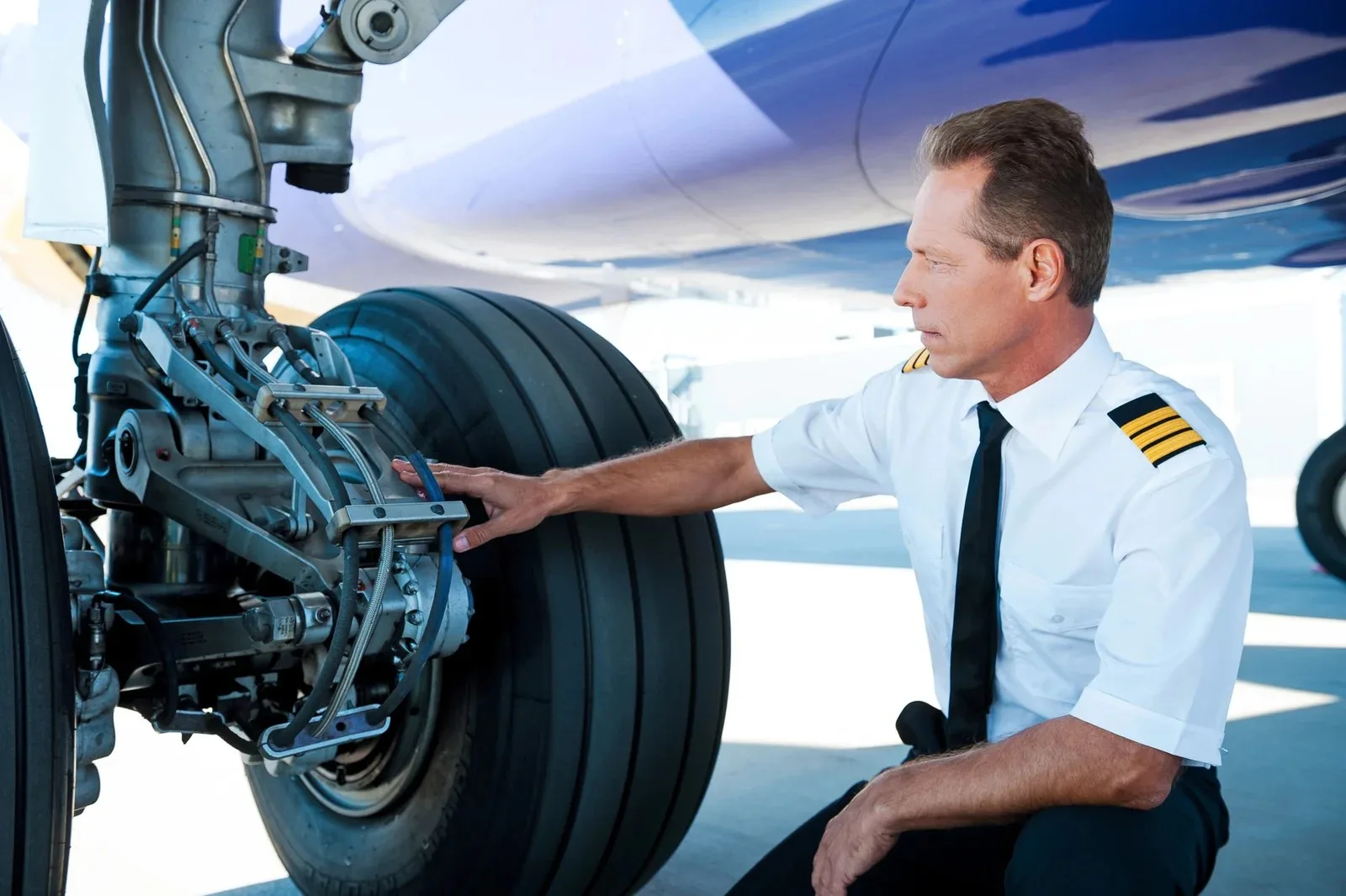
Vetted before every flight.
Every trip is flown by an ARGUS- or Wyvern-rated operator and checked again in the 24 hours before departure: aircraft, crew, weather and routing. Two pilots, always.
Flying private
How does private aviation save time?
Private aviation skips layovers, delays, and security lines, operates on your schedule, and lands closer to your destination by using thousands of regional airports the airlines do not serve. In the Mountain West, that often means flying into the airport nearest the slopes, the ranch, or the meeting, not the hub three hours away.
Is private jet travel more cost-effective than first class?
The upfront cost is higher, but private travel can lower the true cost of a trip by eliminating overnight hotel stays, lost productivity, and last-minute change fees. With several colleagues aboard, the time-and-cost math often tips decisively toward flying private.
What makes private travel more comfortable than first class?
Complete privacy, personalized service, and a cabin with no strangers in it. The experience is yours to define: work without interruption, hold a meeting at altitude, or simply rest.
Can private jets access more airports than commercial airlines?
Yes. Private aircraft can use more than 5,000 airports across the U.S., compared with roughly 500 served by the airlines, putting departures and arrivals closer to where you actually start and finish, with far fewer congested hubs.
How does private aviation support business efficiency?
Productive cabins, flexible itineraries that can cover several cities in a day, and private terminals that let you arrive minutes before departure and skip baggage claim. The result is more time with clients and less time in transit. Here is what an FBO is and what to expect there.
Is the flight experience customizable?
Yes. Custom itineraries, catering, pet-friendly cabins, and concierge support are standard. Flight plans, guest lists, and onboard preferences are arranged around each traveler. More in our guide to flying private for the first time.
What is the private aviation industry doing about sustainability?
The industry is adopting Sustainable Aviation Fuel (SAF), expanding access to carbon-offset programs, and introducing electric and hybrid aircraft. We can help arrange SAF or offsets on request.
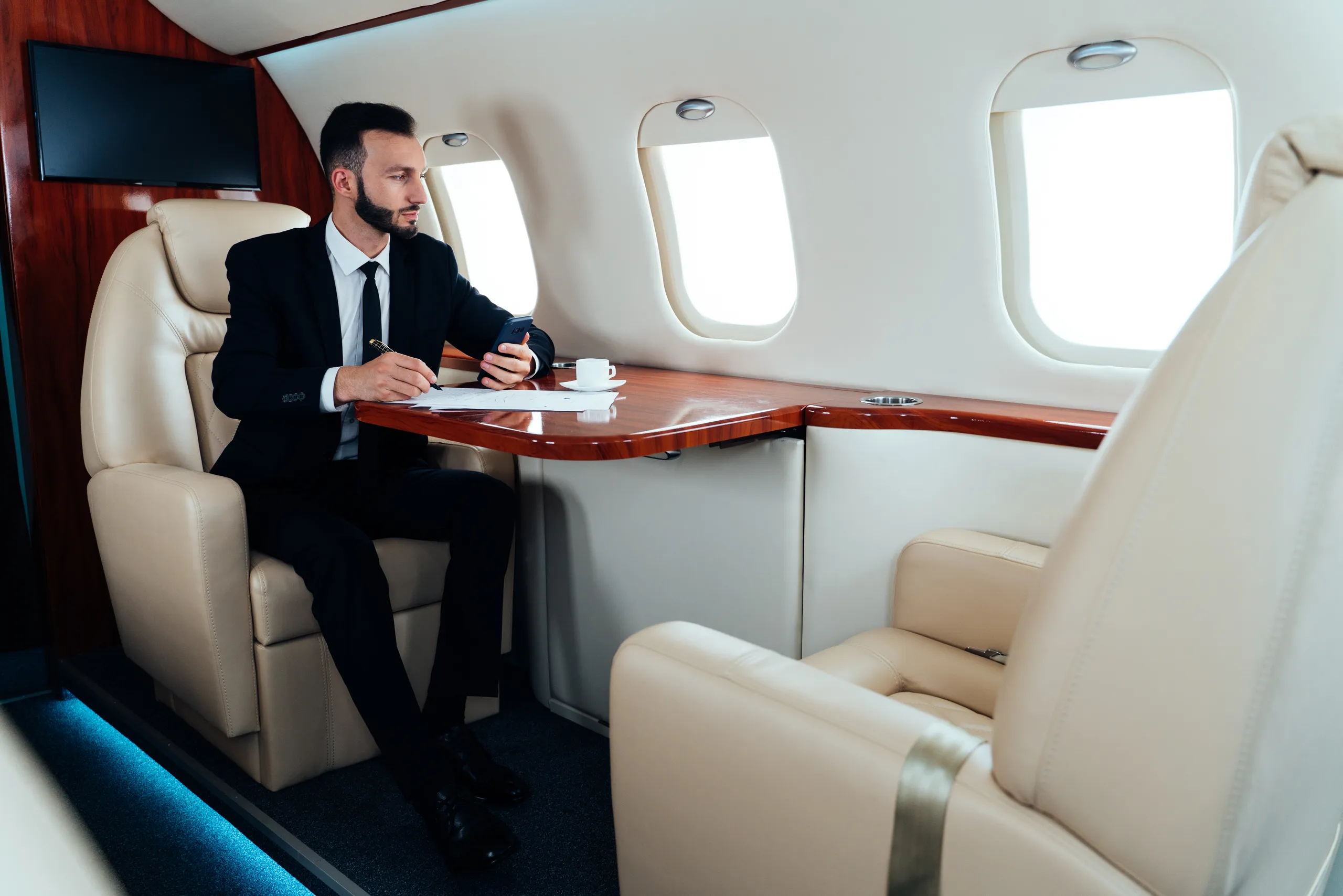
Arrive twenty minutes before departure.
Park beside the aircraft, hand over the bags and board. Pets ride in the cabin, catering is included, and a car can be waiting at the other end.